About Us
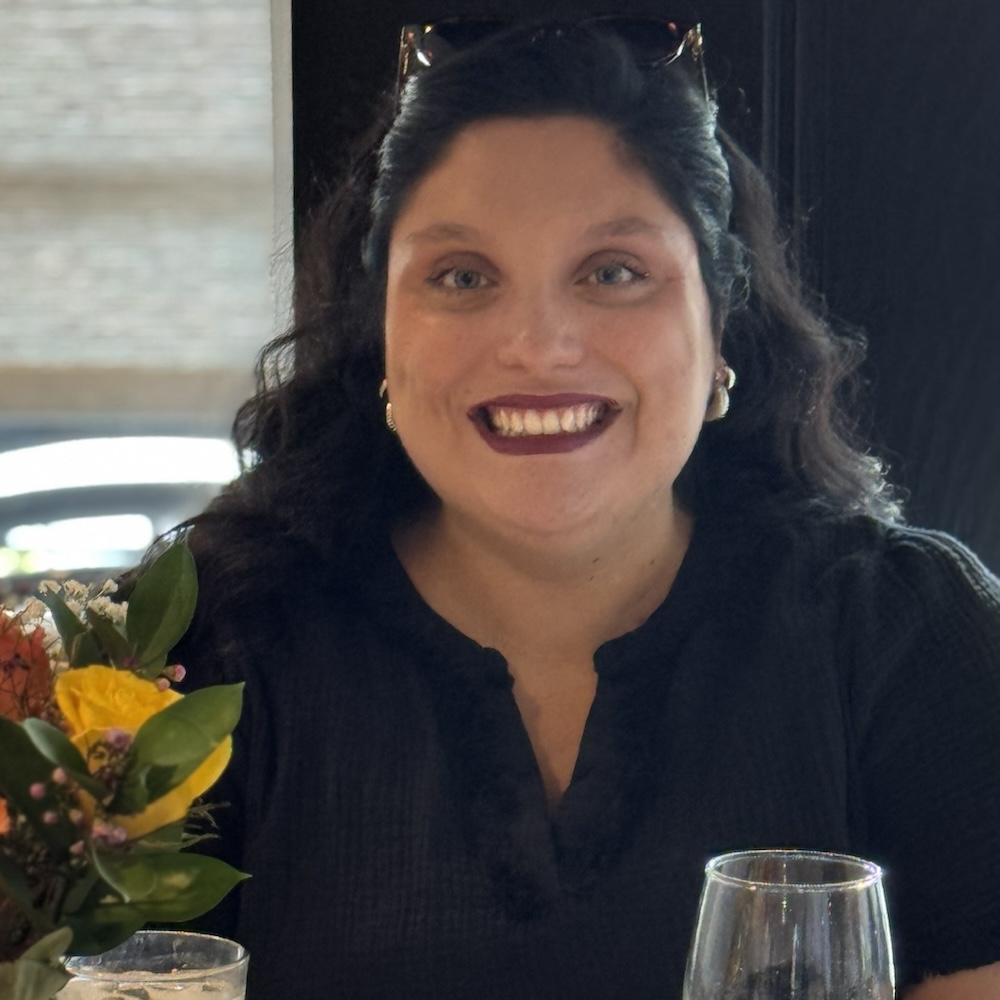
Pauline DiGianivittorio | Postdoctoral Fellow, Infectious Disease
Postdocs and research associates are essential to research success in academia. Our dedication to scientific discovery comes with the cost of spending countless hours within the laboratory setting or outside focusing on data analysis, writing, coding, or skill building in hopes to enhance project progression and feasibility. To do our work, we deserve fair compensation, resources, and especially a say in our workplace! By building a union, we can finally have access to resources that promote our scientific research and professional goals.

Diego Barcenas-Lopez | Postdoctoral Fellow, Oncology
As an international postdoctoral researcher, I have learned about the uphill battle we face as we try to adapt to a new country and work culture. The current political landscape represents an additional stressor, on top of an already complicated nature of our profession, that distracts us from fulfilling our work. A union would provide us with protection, could help us to improve our working conditions, and ensure that our voices matter in our workplace.

Megan Gautier | Postdoctoral Fellow, Human Genetics
Postdocs and research associates are often lauded as the backbone of academia. Despite public accolades, institutions tend to treat us as expendable trainees behind closed doors. A union gives postdocs at CHOP the support structure necessary to fight for equitable treatment as essential members of the research community.

Gina Pacella | Postdoctoral Fellow, Protective Immunity
Postdoctoral fellows are invaluable to academic research in terms of both technical skill and expertise. However the salary we are often given is so much lower than the standard outside of academia. Despite this we continue to use the resources provided to us to discover groundbreaking research. A union would not only allow us to better advocate for more fair compensation but also give us a voice we haven’t had before. Our contract would allow for more job security in these volatile times as well as ensuring fair treatment across labs and departments.
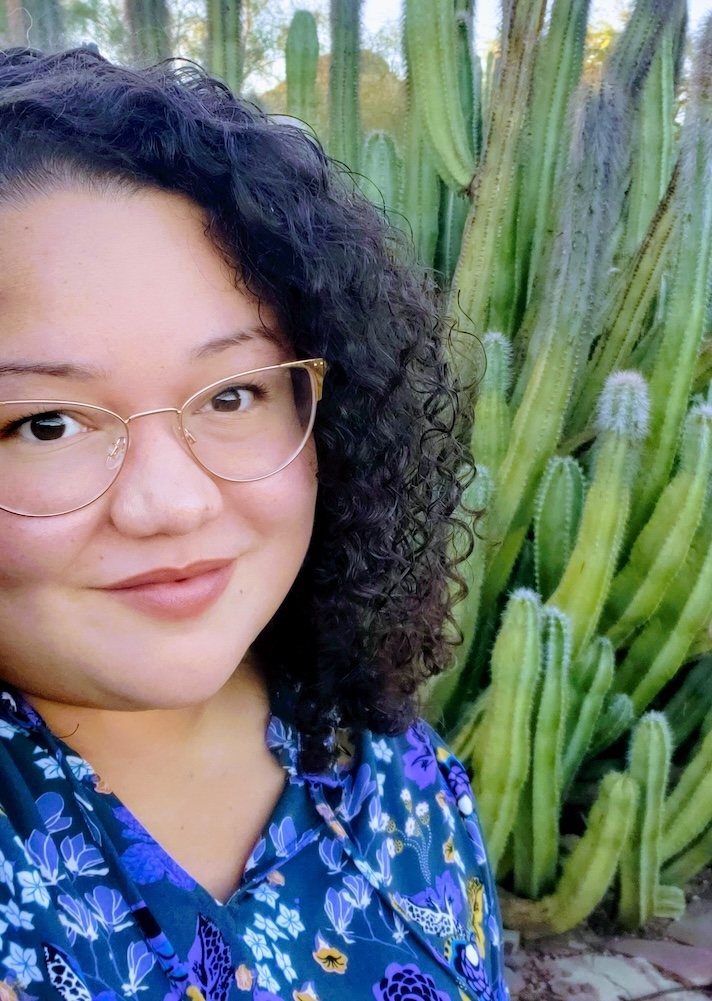
Lorianna Colon, Postdoctoral Fellow, Neuroscience
I study how the brain encodes drug-associated memories, research I hope will one day inform addiction treatment. Doing this work means navigating a career stage defined by uncertainty: short-term contracts, funding that can vanish overnight, and limited recourse when things go wrong. In a moment when federal science funding is under direct threat, postdocs are among the most vulnerable. We are highly trained, deeply invested in our institutions, and yet we lack basic job protections. I support unionizing because I believe we deserve stability and contracts that can’t be arbitrarily pulled, fair compensation, and a real voice in the institutional policies that shape our work and our lives.

Rebecca Parker | Postdoctoral Fellow, Human Genetics
Postdoctoral research positions are key to the mission of CHOP, but are precarious: increasing uncertainty around research funding means our jobs could disappear, and at-will employment policy and a lack of oversight allows for mistreatment of employees without meaningful consequence. I support unionizing because with the power of a union we can negotiate a contract that not only mandates that the good policies at CHOP continue, but that gives us a voice in developing new policies to improve working conditions and, crucially, provides a process to resolve grievances and protect workers’ rights.

Tommaso Balestra | Postdoctoral Fellow, Oncology
Recent attacks on higher education as well as on non-citizen workers are having a powerful impact on the lives of international postdocs like me. I don’t feel supported enough from CHOP management in this difficult time and I think that collective and coordinated actions are the only way to make our voices heard. I am confident that by building a union here at CHOP we will be able to improve our work conditions and protect our rights.
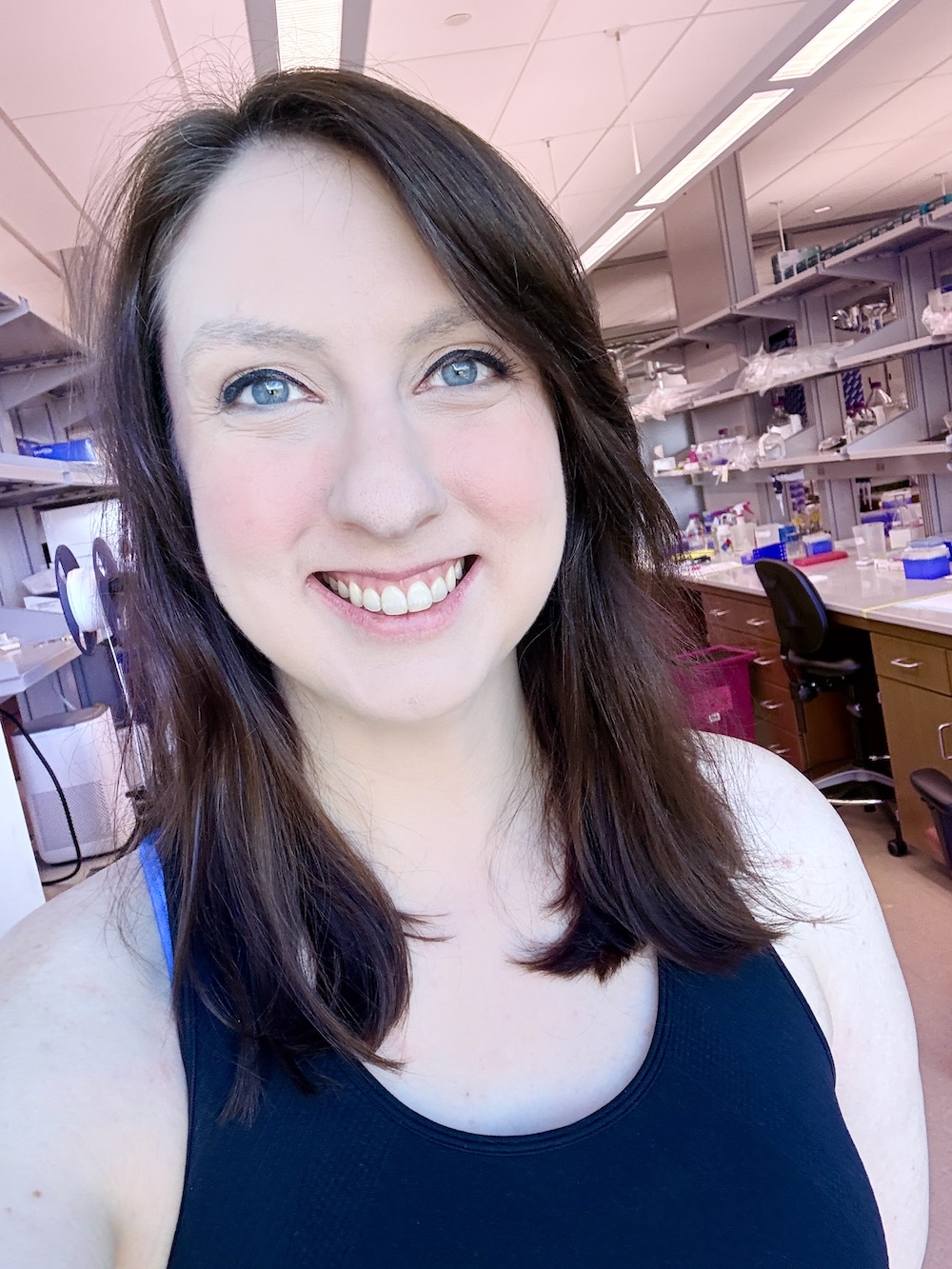
Micaela O’Reilly | Postdoctoral Fellow, Neurology
Unions have been a cornerstone in America for ensuring fair wages, benefits, and protections to all workers. As times become increasingly uncertain, it is more crucial than ever for us to have a democratic voice and ensure compensation that reflects our expertise, and defend the health, safety, and rights as workers within this country. By forming a union, we not only give a voice to postdocs and researchers at CHOP, but further empower all levels of academics to pursue equitable treatment.
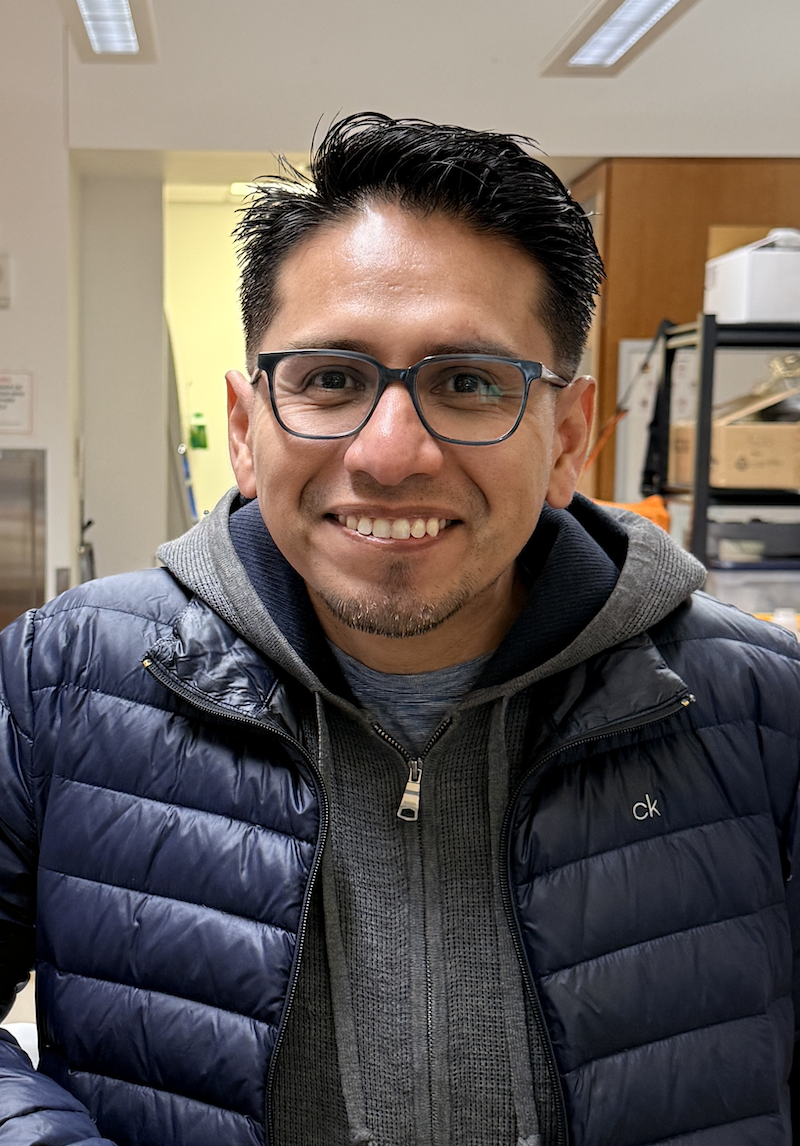
Marco Flores | Research Associate Scientist, Neuroscience
As a Research Associate Scientist, I see firsthand the immense dedication required to push the boundaries of our understanding of diverse diseases. While we are often called the backbone of the research community, our compensation and job protections rarely reflect the specialized expertise and long hours we contribute to the lab. I support forming a union at CHOP because collective action is the most effective way to ensure our voices are heard by management. By joining together with thousands of other scientists, we gain the power to negotiate for fair compensation, better benefits, and protections from overwork. A union provides the necessary support structure to transform our workplace into a more equitable environment where researchers are treated as essential members of the institution rather than expendable trainees. Together, we can build a more stable and supportive community that allows scientific excellence to thrive.
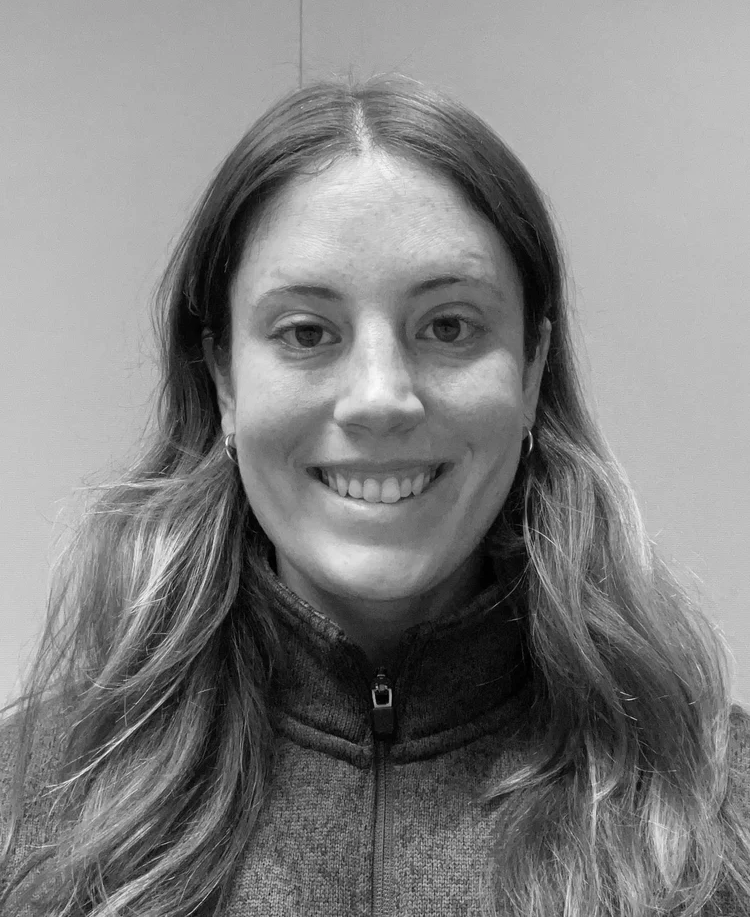
Jessie Axsom | Postdoctoral Fellow, Metabolism
Unions help create working conditions that ensure postdocs are able to do our best possible science. Especially in light of the current administration’s attacks on science, higher education, and immigrants, postdocs at CHOP deserve to feel supported, protected, and fairly compensated for our vital role in producing the groundbreaking research at CHOP. Collective bargaining power ensures postdocs have a voice in institutional decisions that affect us. We deserve representation, and we deserve fair working conditions.